
CAIRNS 07 4053 6400 | info@cardzilla.com.au
TOWNSVILLE 07 4775 1399 | townsville@cardzilla.com.au
TRINITY PRINTERS 07 4031 5739 | sales@trinityprinters.com.au
Unwrapping Easter: Bunnies, Eggs, and Custom Cards
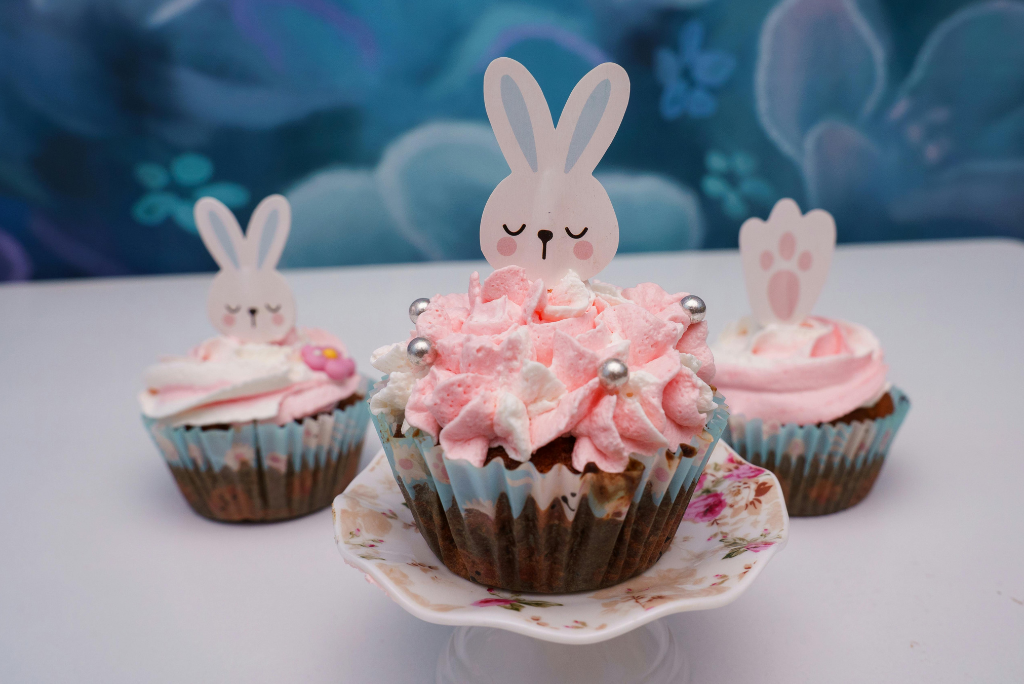
When Valentine’s Day is over, supermarket aisles quickly fill with pastels, shiny chocolate eggs, and plush bunnies and carrots. Families start planning Sunday dinners, organising backyard egg hunts, and putting together baskets for the kids. Sometimes we even see hot cross buns in January… But have you ever stopped to wonder how a holiday with ancient and religious roots became so closely associated with chocolate eggs and bunnies? What are the origins of Easter?
Where Did the Easter Bunny Come From?
Rabbits have been seen as symbols of spring and new life for centuries, since ancient cultures associated them with fertility and the renewal of the season. But the specific character we know as the Easter Bunny has an interesting history.
The tradition of a rabbit delivering holiday treats originated in Germany. During the Middle Ages, German folklore introduced a character called the "Osterhase" or "Oschter Haws," an egg-laying hare. According to legend, this special hare would monitor children's behaviour, much like Santa does in the lead-up to Christmas. Good children would receive gifts of brightly coloured eggs.
When German immigrants travelled to the United States in the 1700s, many settled in Pennsylvania and brought the tradition of the Osterhase with them. Children would build small nests out of grass and leaves in hidden spots around their homes or barns, hoping the hare would visit overnight and fill their handmade nests with colourful eggs. Over time, the tradition spread across the country. The grass nests evolved into the beautifully decorated Easter baskets used now, and the gifts expanded from simple eggs to include toys and chocolate eggs. The idea of the Easter hare became the colourful, cute Easter bunny we know and love today!
How Easter Became About Chocolate Eggs
Like the rabbit, the egg has long been an ancient symbol of new life and rebirth. Historically, eggs held significance during the season of Lent. For many centuries, religious fasting rules prohibited the consumption of animal products, including eggs, during the weeks leading up to Easter.
Since chickens (of course) continued to lay eggs during this fasting period, people would boil or roast them to prevent them from spoiling. When Easter Sunday finally arrived, families could once again enjoy eggs, making them a highly anticipated treat and a staple of the feast. To make the occasion even more festive, people began dyeing the eggs using natural ingredients like onion skins, beetroot juice, and tree bark. These were the predecessors of the painted eggs and colourful foil wrappers we see today!
The change from hard-boiled eggs to chocolate ones took place in Europe during the 19th century. French and German confectioners first attempted to create chocolate eggs, but their early versions were solid, hard, and quite bitter. Then, the invention of the chocolate press in 1828 allowed chocolate makers to separate cocoa butter from cocoa powder, creating a smooth, mouldable chocolate paste.
By the 1870s, companies like Fry's and Cadbury in the United Kingdom had developed the technique to make hollow chocolate eggs. They filled these treats with sugared almonds and decorated the outsides with intricate marzipan flowers. The concept quickly became a massive commercial success, and chocolate eggs secured their permanent place in Easters to come.
Let Cardzilla Help You Hop Into Easter
Caught the Easter fever? If you celebrate by sending cards or hampers, or having egg hunts, then we can help with custom products like stickers, banners, signage or cards. Explore our custom printing options today to design the perfect greeting cards, invitations, and more. Reach out to our team to discuss your ideas and let us help you print something beautiful!